Winter Proof: Six UK Courses That Drain, Dry and Stay Playable
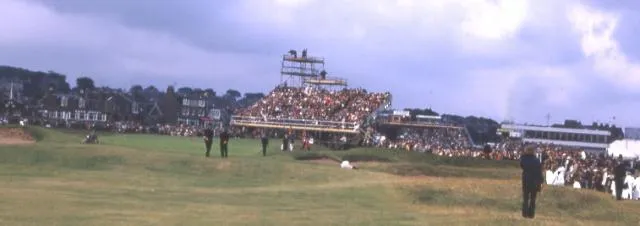
Photo: Anne Burgess, CC BY-SA 2.0, via Wikimedia Commons
Winter golf in the UK has a simple test: does the ball plug, or does it run? Everything else — the score, the swing thought, the new grip you were going to try — comes second. A course that drains well can make a grey, cold morning feel like proper golf. A course that doesn't can turn nine holes into a mud bath with flagsticks.
This isn't a glossy list of the prettiest winter venues. It's a practical guide for club golfers who want to know which UK layouts have a reputation for shrugging off wet and frost, what turf and drainage have to do with it, and how to ask the right questions before you book. Your seven iron may end up being the most-used club in the bag, but only if the ground lets it behave.
Why some courses wear winter better
Three things matter more than most golfers realise: soil, slope and surface. A sand-based course — links or heathland, typically — will drain faster than a parkland layout built on clay. Height helps too. A course on a hill will shed water, while a course in a valley will collect it. Trees are another clue: heavy woodland keeps sun off the turf and wind out of the equation, so those fairways dry slowly.
Then there's the greenkeeping team. Aeration, winter greens, temporary tees and trolley bans are not signs of a bad course. They're signs someone is protecting the turf for spring. The best winter courses are usually the ones that are honest about conditions and proactive about protecting the parts that matter.
The pro-shop questions that save a wasted trip
Before you book, ring the shop and ask directly: are you on full greens or winter greens? Are mats in play? Is there a trolley ban? Any temporary tees? How much rain have you had in the last 24 hours? And — the important one — how is it draining?
A good pro will give you a straight answer. If you hear 'it's holding up well on the high ground but the bottom corner is soft', that's useful. If you hear a long pause and then 'it's playable', pack waterproof socks. Also check the forecast for frost, not just rain. A frozen course can be closed at 8am and open at 11am, and no amount of good drainage fixes ice in the wrong place.
Six UK courses with a reputation for winter resilience
These are not guarantees — every winter is different, and every greenkeeper has a different plan — but these layouts are known for draining better than most. Treat them as a shortlist, not a promise.
Alwoodley, Leeds
A heathland course on sandy soil, Alwoodley has the kind of exposed, fast-draining ground that copes with wet weather better than most parkland layouts. The holes on higher ground tend to come back first after rain, while the lower, more sheltered sections can still get soft. Ask about temporary greens before you travel, and expect the wind to make club selection interesting even when the ground is firm.
Ganton, North Yorkshire
Ganton is another heathland venue with a reputation for firm, sandy turf and good winter playability. It's not a course that escapes frost, but it drains well and the exposed nature of the layout helps. The holes that run across open ground are usually the ones that recover quickest. If the shop says the back nine is open but the front is on temporary greens, believe them and adjust your expectations rather than your swing.
Woodhall Spa (Hotchkin), Lincolnshire
The Hotchkin is a heathland classic with sandy subsoil and a reputation for holding up through wet spells. It's still a big, demanding course in winter, and frost can shut it down like anywhere else, but the turf tends to dry faster than a clay-based parkland. Ask specifically about the lower holes and whether mats are in use. The answers will tell you more than the forecast.
Burnham & Berrow, Somerset
A links course with sand underfoot and wind on top, Burnham & Berrow is the sort of place where winter golf feels like golf rather than survival. The fairways drain, the rough is less punishing than in summer, and the ball runs when it lands. That said, links golf in winter is still links golf: keep the ball low, use the ground, and don't expect your normal carry distances to show up.
Royal Porthcawl, Wales
Royal Porthcawl has the classic links advantages — sandy soil, exposure to wind, and ground that sheds water rather than holding it. It can be brutal in a cold wind, but it drains. The holes nearest the sea tend to stay playable when inland courses are closed, though frost and ice can still cause delays. Check the shop's winter rules and be honest about whether you're dressed for it.
Moray Old, Scotland
Moray Old is a links course that knows how to handle weather. Fast-draining turf, wind and a layout that doesn't rely on soft conditions make it a sensible winter option when other courses are squelching. It's not a warm day out in January, but it's a proper one. Ask about winter greens and temporary tees, then pack an extra layer and a sense of humour.
How winter conditions change your club selection
When the ground is soft, your ball carries less and stops faster. When it's firm and frosty, it carries less but runs more. Either way, your stock seven iron distance is a summer number. In winter, take one more club than you think, swing smoother, and let the ball run. A low, boring seven iron is often smarter than a lofted club that lands steep and plugs.
Around the greens, winter golf rewards the bump-and-run. Use the seven iron from the fringe, keep the ball on the ground, and take the aerial route out of play. It's not glamorous, but it's effective — and it keeps your hands warm.
Finally, lower your expectations. Winter golf is about fresh air, good company and keeping the swing ticking over. If you pick a course that drains, ask the right questions and club up, you'll enjoy it a lot more than the golfer who spends the whole round looking for plugged balls.